 Inclusive AI Strategies
Equity designed in from the start
When AI tools are built on data that reflects existing inequities, “just add an equity module” doesn’t cut it. The work has to be designed for equity from the ground up, or it repeats the inequities in the data.
About
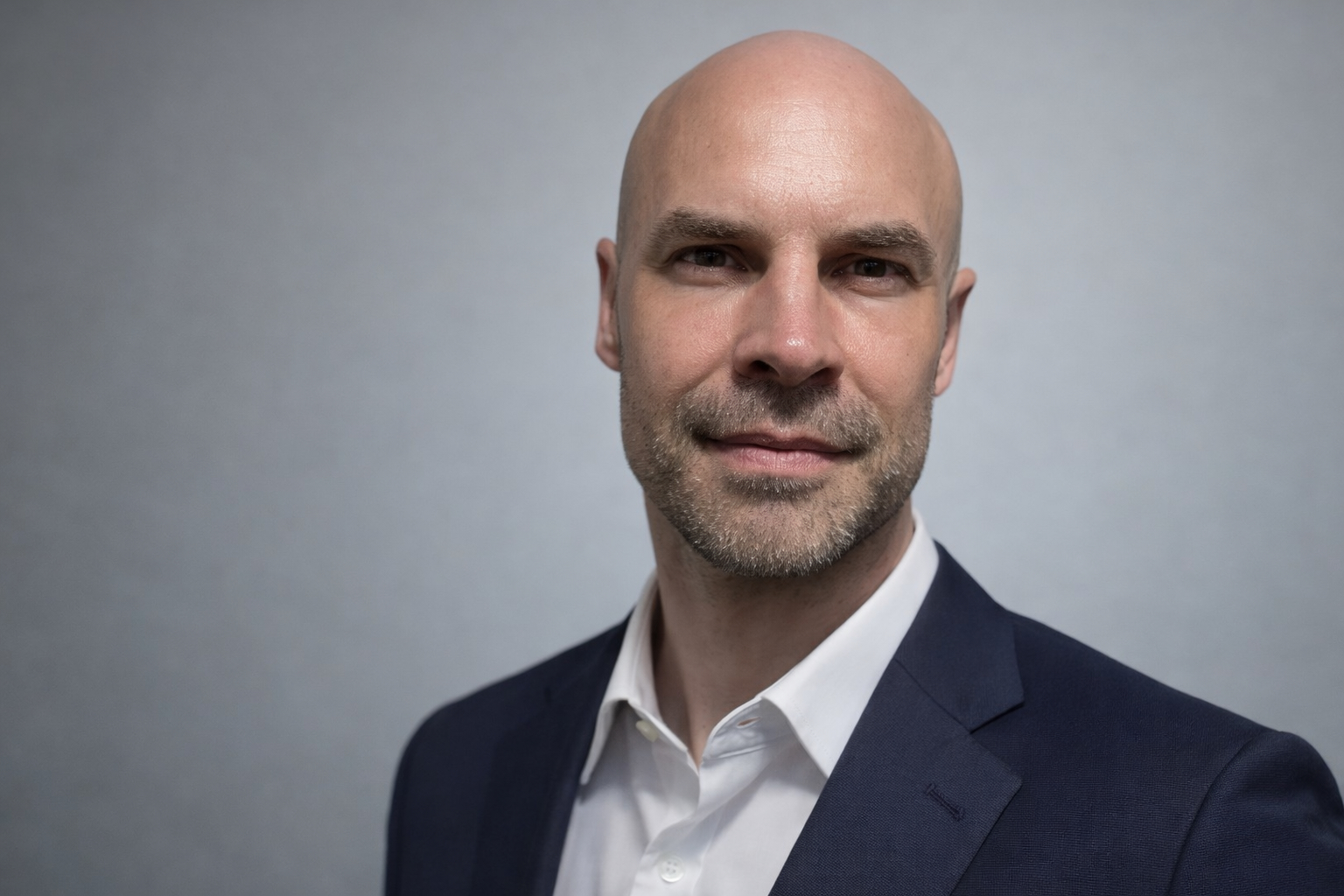
I’m Jon Fila, founder of Inclusive AI Strategies. I help schools and organizations mitigate the bias baked into generative AI and build governance, prompting, and training strategies that let them use AI with equity and intention.
I’ve spent more than 25 years in education, almost all of it in alternative, recovery and online programs, as an English teacher, instructional designer, innovation coach and curriculum coordinator. I’ve led digital accessibility initiatives, started one of the largest K-12 Open Educational Resources (OER) initiatives in the country, and authored four books on AI in education.
I started Inclusive AI Strategies because of the challenges I was facing in my own practice and I wanted to support educators looking for guidance. Today I work with online schools, districts, course providers and education nonprofits on AI governance, course design and training. I use these tools every day on my own courses and sites, so what I recommend is something I’ve tested.
I was a workgroup lead for the 2025 revision of the National Standards for Quality Online Teaching. In 2026 I presented at DLAC, WCET, QM Connect (including a plenary panel on instructional design expertise) and Purdue’s AI in P-12 Education Conference. Recognition includes the Digital Learning Collaborative’s Unsung Super Star Award and NROC’s Ambassador of the Year.
In an era where AI headlines promise revolution and the temptation is to “have AI do it for you,” Inclusive AI Strategies starts from what the tools get wrong and how to check for it.
If you’ve ever looked at an AI-generated response and thought, “There is no way I can use that, or put that in front of someone else,” you’re not alone. It happens to me every day. If it’s not something I would put in front of my own children, why would I think it’s good enough for my audience?
Default AI output repeats the averages and biases of the data it was trained on. Getting past it means telling the tools who your students are, reviewing what they produce one lens at a time (accuracy, bias, accessibility, academic integrity) and keeping a person in charge of what stays. That’s what I teach, and it’s how everything here is built, from the free modules to full courses.
After adoption, I help organizations write policy staff can follow, build governance into the tools, and keep workflows and prompts in the organization’s accounts instead of one person’s.
How I work
When AI tools are built on data that reflects existing inequities, “just add an equity module” doesn’t cut it. The work has to be designed for equity from the ground up, or it repeats the inequities in the data.
Accessible design benefits everyone, but it’s essential for the learners most often left out. I treat it as a non-negotiable baseline in every training, resource, and recommendation.
The people doing the work know things that dashboards and vendor demos don’t capture. I start with educators’ lived experience and build strategy outward from there.
An AI tool shouldn’t certify its own work. Every workflow I teach ends with a human review against your standards, and the review is written down so someone else can check it.
“He literally wrote the book on getting ahead of AI in education… Any district would immediately improve its capacity and stature by hiring Jon.”
— Dr. Jonathan W. Voss, Director of Teaching & Learning
“He has always inspired me and many others with his vision for online learning.”
— Sandra Lewandowski, Former Superintendent, Intermediate District 287
“I have ADHD and dyslexia… He provided the support and flexibility I needed. He challenged me to work at a higher level.”
— Jack, Student
“This was the most interesting AI training I’ve been a part of!”
— Workshop Attendee
“This was my most favorite faculty meeting ever! I just want to soak more up!”
— PD Participant
“This really resonated with me and the thoughts I’ve had teaching English over the last few years.”
— Educator
“Distance learning does not need to also mean distance teaching — Mr. Fila was always very present and personally engaged.”
— Lisa, Parent
“Very flexible, allowing us to work directly on what was relative to our programs. Jon was very understanding and encouraging.”
— Training Participant
The quickest way in is the free module. It’s built the same way every piece of the curriculum is, so you’ll see the approach before you commit to more.